
Construction Quality Control: A Property Owner's Guide
Quality in construction is not inspected in at the end. It is built in, stage by stage, on site. Once concrete is poured, blocks are rendered and tiles are laid, the work beneath is hidden for the life of the building. That is why quality control is fundamentally about checking the right things at the right time, and recording that they were checked.
This guide explains what good quality control looks like, so that owners know what to expect from their contractor.
1. Materials
Good buildings start with good materials. Quality control begins at delivery:
- Cement: correct type and grade, within its usable life, stored dry and off the ground.
- Reinforcement steel: correct diameters and grade as specified by the engineer, free from heavy rust and contamination.
- Aggregates and sand: clean, well-graded and free from excessive clay, silt or organic matter.
- Blocks: made to an appropriate standard, properly cured and of consistent dimensions. Weak blocks are a common weakness in Nigerian construction.
- Water: clean water for mixing and curing.
Products should meet the applicable Nigerian Industrial Standards set by the Standards Organisation of Nigeria (SON) where relevant.
2. Setting out and levels
Before excavation, the building's position, dimensions and levels should be set out accurately from the approved drawings and checked. Errors here carry through the entire building.
3. Foundations
Excavations should reach the depth and ground conditions specified by the engineer, and be clean and free of water before concrete is placed. Foundation reinforcement and dimensions should be checked against the drawings before the pour.
4. Reinforcement: inspect before every pour
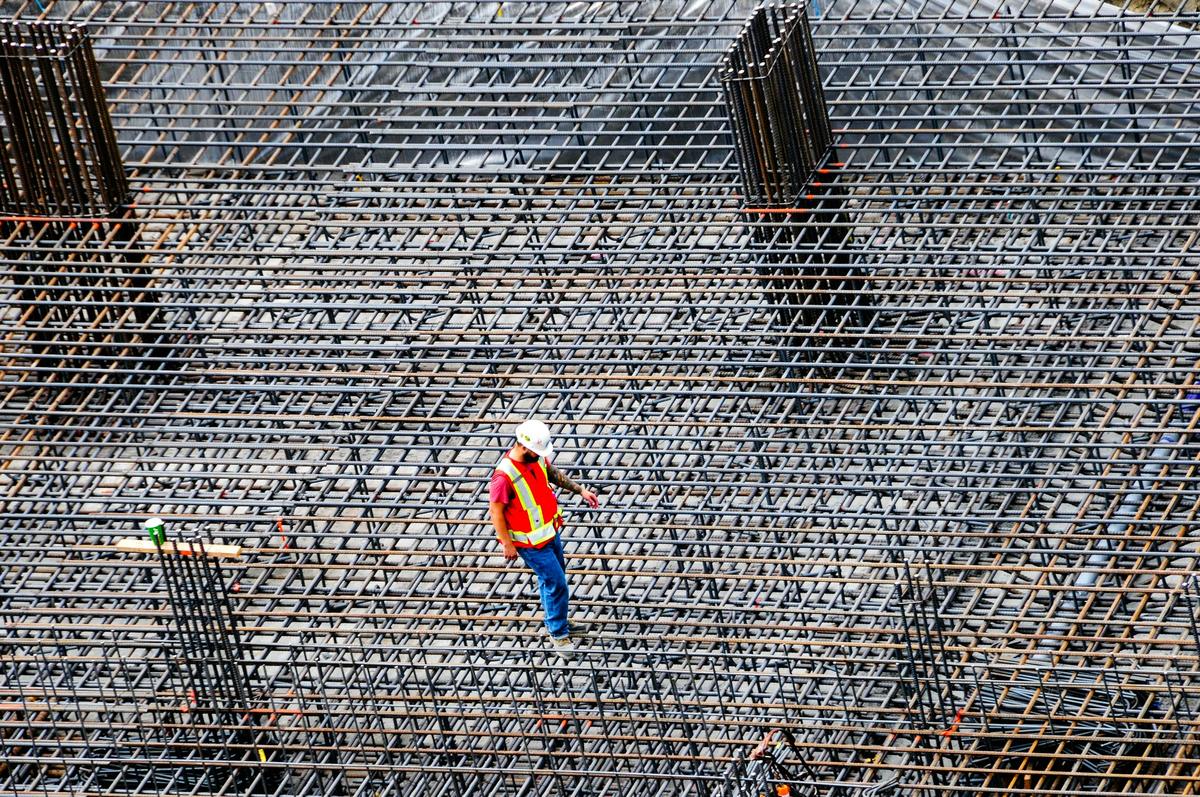
This is one of the most critical hold points on any concrete building. Before concrete is placed in columns, beams or slabs, check:
- Bar sizes and numbers match the structural drawings
- Spacing and laps are correct
- Links and stirrups are at the specified centres
- Concrete cover is maintained using spacers, so steel is protected from corrosion
- Formwork is clean, tight, braced and correctly sized
Photograph reinforcement before every pour. These records are invaluable.
5. Concrete
Concrete quality depends on mix proportions, water content, compaction and curing. Good practice includes batching to the specified mix, avoiding excess water (which weakens concrete), compacting properly to remove voids, and curing by keeping concrete moist for the specified period. On structural elements, taking concrete cubes for compressive strength testing provides objective evidence of quality.
6. Blockwork
Walls should be built plumb and level, with consistent mortar joints, proper bonding and adequate lintels over openings. Check wall alignment regularly with a level and line.
7. Roofing
Roof structures must be properly fixed and anchored against wind. Coverings, flashings, valleys and gutters must be installed so the roof sheds water reliably, which is critical during the rainy season.
8. Waterproofing and concealed services
Waterproofing in wet areas and on flat roofs, as well as conduits and pipes hidden in walls and floors, should be inspected and, where possible, tested before being covered. Plumbing should be pressure-tested; electrical installations should be tested by qualified electricians.
9. Finishes
Check plaster for flatness and adhesion, screeds for level, tiles for alignment and full bedding, and paint for coverage. A structured snag list at completion captures remaining defects.
10. Records and accountability
Good contractors keep inspection records: who checked what, when and with what result. Ask for them. They demonstrate quality, support stage payments and add value when the building is sold.
What to expect from GBAAC
We build inspection hold points into every programme, check work before it is concealed and share photographic records with clients. Learn more about our project management and building construction services, or request a quotation.
This article provides general guidance only. Regulations, procedures and prices change; confirm current requirements with the relevant authorities and qualified professionals before acting.