
Interior and Exterior Finishing: What Property Owners Should Know
Finishing is the stage where a structure becomes a home, an office or a shop. It is also the stage owners see and touch every day, which makes it tempting to focus on appearance alone. The best finishing decisions balance three things: how a finish looks, how it performs in use, and how well it will age in Abuja's climate.
1. Sequence matters
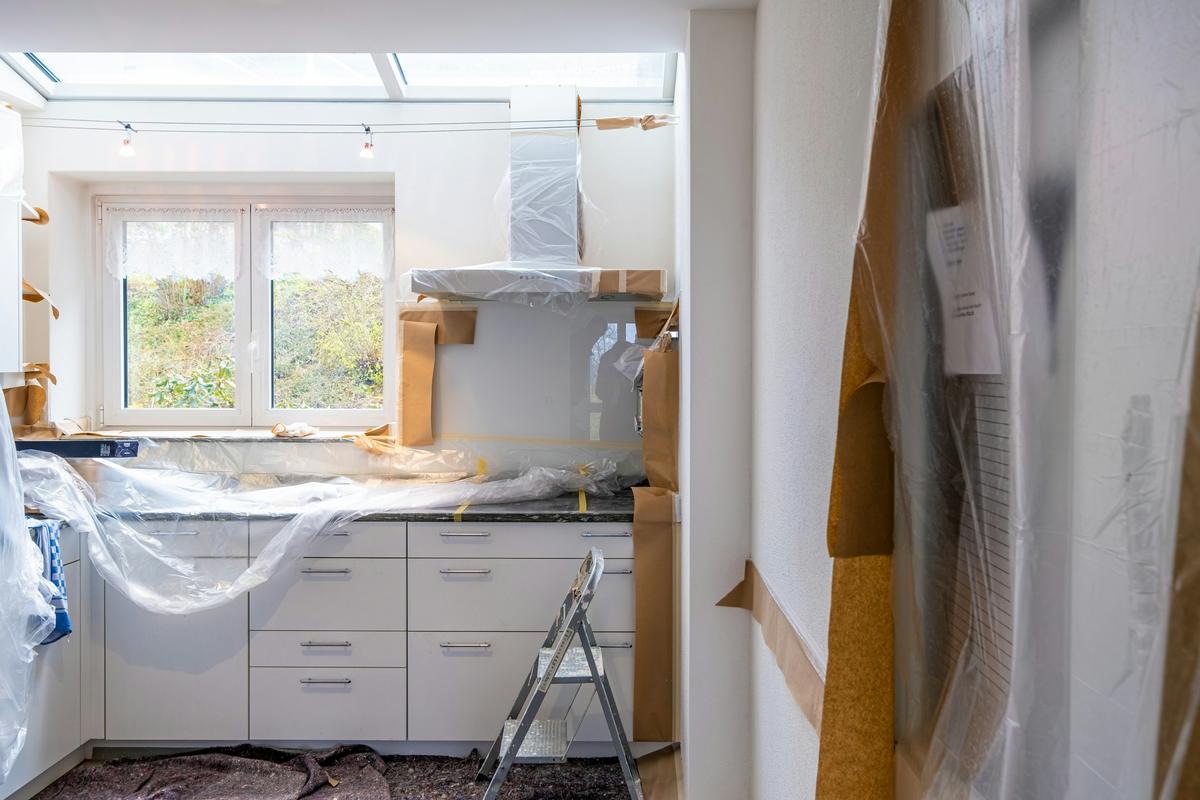
Finishing follows a logical order: services first fix (conduits, pipes) and roofing complete, then plastering and screeding, ceilings, services second fix, floor and wall finishes, joinery, painting and final fittings. Breaking the sequence leads to damaged finishes and rework. Agree the sequence with your contractor before finishing begins.
2. Walls, plaster and render
A good finish starts with a good substrate. Plaster and render should be applied to properly cured blockwork, at consistent thicknesses, with corners and edges straight and true. Cracked or hollow plaster telegraphs through any paint. Check walls with a straightedge before painting starts.
3. Floors
Common floor finishes in Nigerian homes and offices include ceramic and porcelain tiles, natural stone, terrazzo, vinyl and timber-look products. Consider:
- Durability: heavy-traffic areas need hard-wearing finishes.
- Slip resistance: essential in bathrooms, kitchens, external steps and around pools.
- Maintenance: light, matt finishes show less dust in the Harmattan; very glossy finishes show scratches.
- Screed quality: a level, well-cured screed is essential for tiles to bed properly.
4. Ceilings
Ceilings conceal services, shape the feel of a room and carry lighting. Popular options include plasterboard and suspended systems. Coordinate ceiling layouts with lighting, air-conditioning and access panels before installation, and ensure the roof above is watertight first.
5. Paints and coatings
Interior paints should suit the room: washable finishes for kitchens, corridors and children's rooms, and moisture-resistant products for bathrooms. Exterior paints must withstand strong UV, heavy rain and dust. Proper surface preparation, primer and the specified number of coats matter as much as the brand.
6. Waterproofing: the finish you never see
Waterproofing in bathrooms, balconies, flat roofs and parapets is invisible once tiled over, and expensive to fix later. It should be specified, applied carefully, and inspected or tested before finishes go on top.
7. Joinery and doors
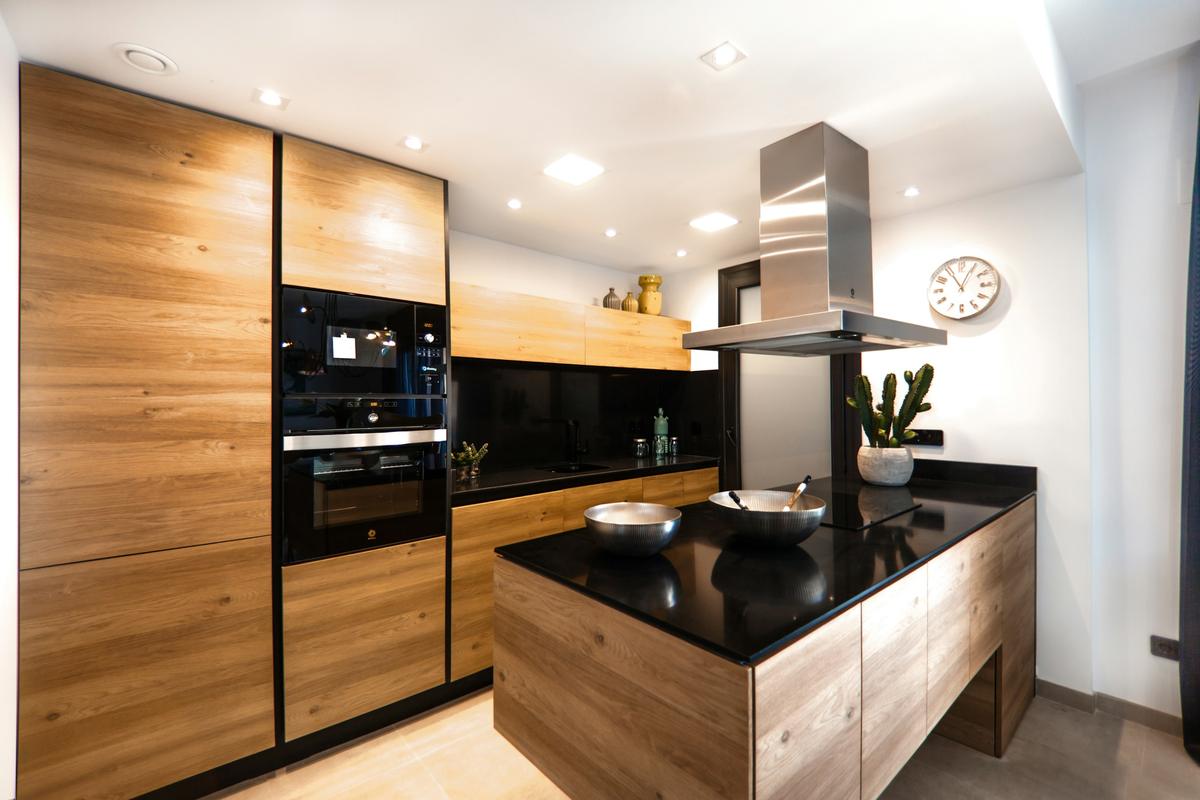
Kitchens, wardrobes, doors and built-in furniture should be made from materials suited to the humidity of the rainy season. Specify edge-sealed boards, quality hardware and properly treated timber.
8. Lighting
Layered lighting, with general, task and accent lighting, makes spaces more useful and more attractive. Plan lighting with the furniture layout, choose warm colour temperatures for living areas, and coordinate positions with ceiling design before electrical first fix.
9. Exterior finishes
The exterior is your building's first impression and its first line of defence. Consider facade colours that tolerate dust and sun, durable cladding or textured finishes, generous roof overhangs and shading, well-detailed copings and window sills that shed water, and external lighting for security and appearance. Boundary walls, gates and paving complete the picture.
10. Approve samples before ordering
Colours and textures look different under Abuja's strong daylight than in a showroom. Approve tiles, paint colours and key materials on sample, on site, before ordering in bulk.
GBAAC's interior and exterior design team handles design, specification and installation together. For existing buildings, see our renovation service, or request a finishing quotation.
This article provides general guidance only. Regulations, procedures and prices change; confirm current requirements with the relevant authorities and qualified professionals before acting.