Real Estate Due Diligence in Abuja: A Buyer's Checklist
Buying land or property is one of the largest financial commitments most people make. In Abuja, as anywhere, the money is safest when every claim about the property has been verified before payment. Due diligence is that verification process: a structured set of checks carried out with qualified professionals.
This checklist is general guidance, not legal advice. Always instruct a qualified lawyer to carry out title verification and to prepare transaction documents.
1. Assemble your team
- A lawyer experienced in FCT property transactions, for title searches and documentation
- A registered surveyor, to verify boundaries and the survey plan
- A construction professional, to inspect any building and estimate repair or completion costs
2. Verify the title
Your lawyer should obtain copies of the title documents and verify them against official records. In the FCT, land records are administered by the FCT authorities through Abuja Geographic Information Systems (AGIS). Checks typically confirm:
- That the title document is genuine and registered
- The registered owner, and that the seller is that owner or is properly authorised
- The approved land use and any conditions attached to the grant
- Whether required consents for previous transfers were obtained
3. Check for encumbrances and disputes
Ask your lawyer to establish whether the property is subject to a mortgage or charge, a court case, a family or community dispute, or government acquisition or revocation. A property can look perfect on paper and still be legally unsellable.
4. Verify the site on the ground
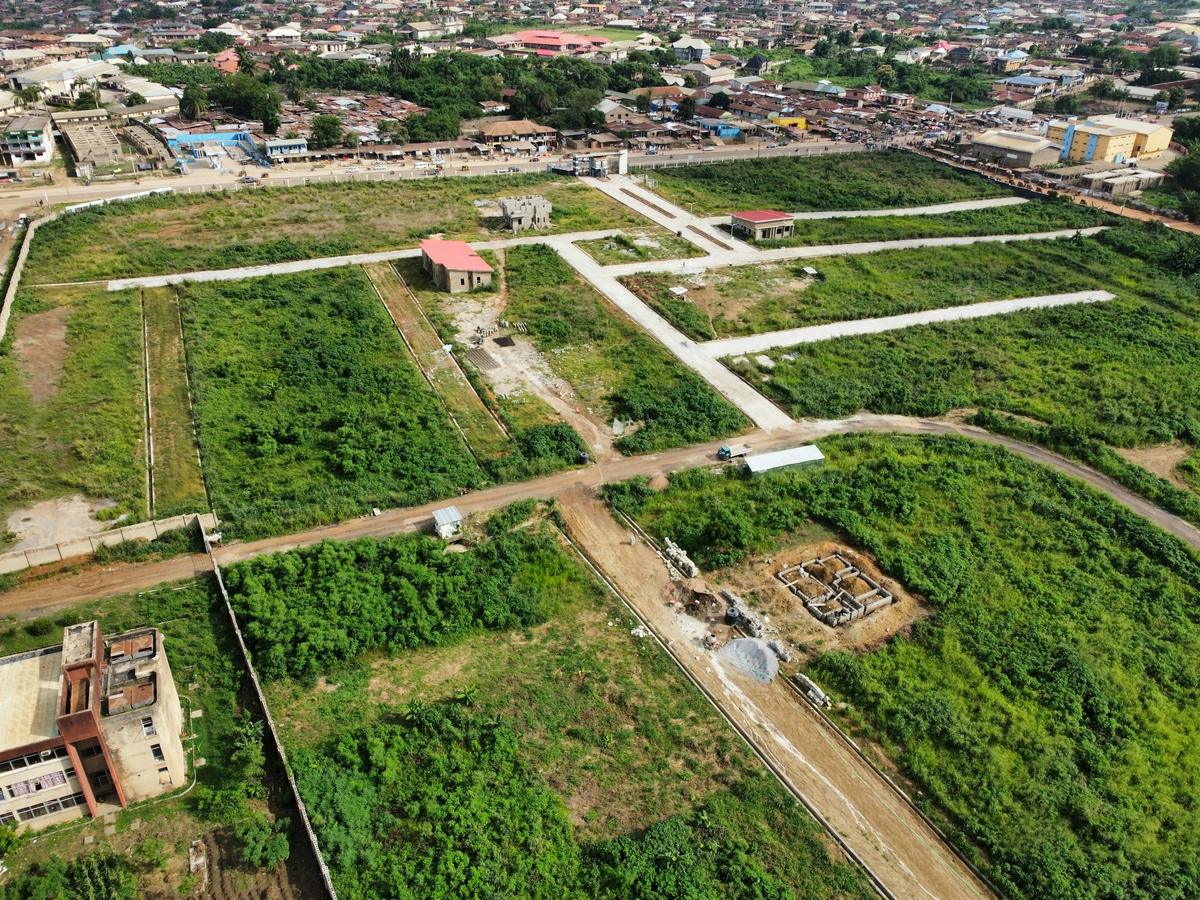
The surveyor should confirm that the beacons and boundaries on the ground match the survey plan, and that the plot you are shown is the plot described in the documents. Encroachments by neighbours, roads or drainage channels should be identified.
5. Inspect any building
For a completed or uncompleted building, a construction inspection should assess:
- Structural condition: cracking, settlement, concrete quality
- Roof, waterproofing and drainage
- Electrical and plumbing installations
- Quality of finishes
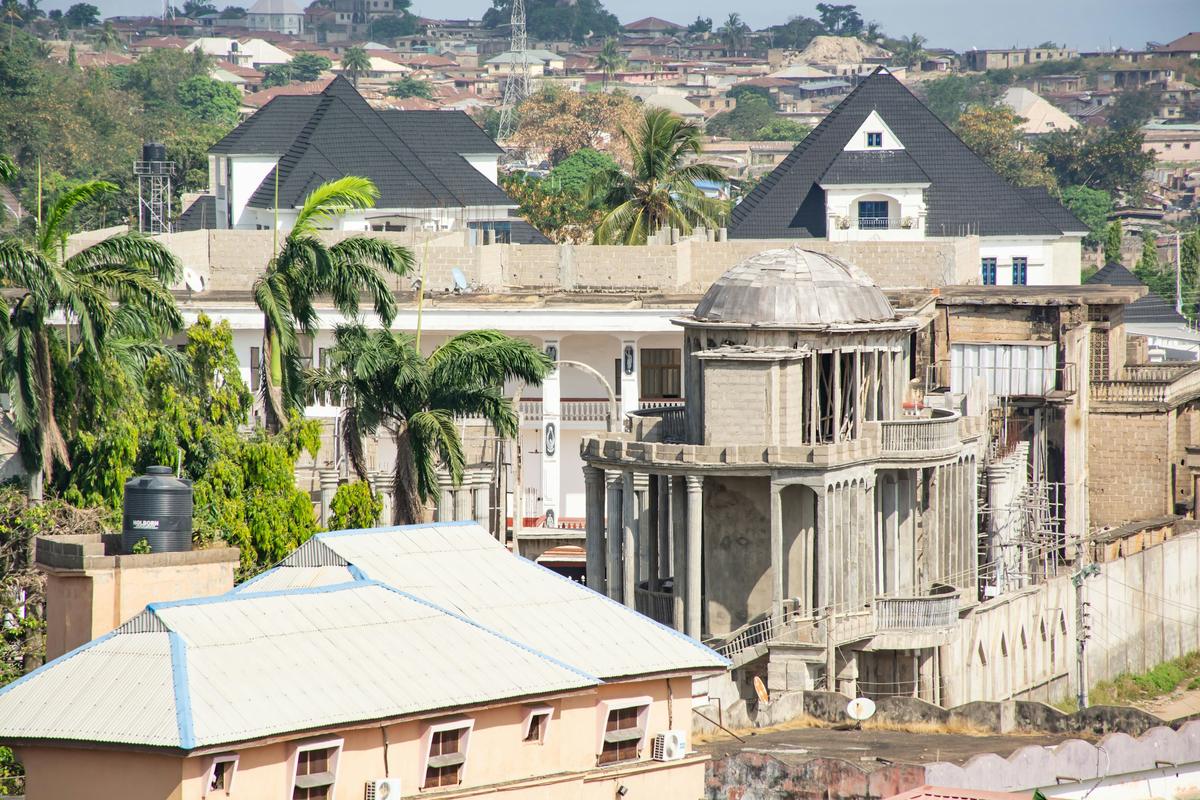
- For uncompleted buildings, the cost and work required to complete
This is where GBAAC's construction background adds real value to real estate advisory: buyers learn the true cost of the property, not just the asking price.
6. Check building approvals
For any existing building, ask whether it was built with approved building plans and whether it conforms to them. Unapproved or non-conforming buildings can attract enforcement action.
7. Check estate rules and obligations
Within estates, confirm service charges, design guidelines, infrastructure obligations and any restrictions on use or further development.
8. Structure payment and documentation
- Pay into traceable accounts, never in cash, and only after verification is complete
- Have your lawyer prepare and review all transaction documents
- Obtain receipts and properly executed documents for every payment
- Follow through on registration and any required consent after completion
Red flags
- Pressure to pay quickly "before another buyer does"
- Reluctance to allow independent title searches or site surveys
- Prices far below comparable properties
- Requests for payment to personal or third-party accounts
- Sellers who cannot produce original documents
Thinking of buying, building or renovating? Explore our Properties page, read about our renovation service for properties that need work, or speak with our team.
This article provides general guidance only. Regulations, procedures and prices change; confirm current requirements with the relevant authorities and qualified professionals before acting.