
Property Development Considerations in Abuja
Abuja continues to attract property development: new estates on the city's edges, infill development in established districts and growing satellite towns along the main corridors. Successful developments share one trait. The developer answered the hard questions before breaking ground, rather than discovering the answers during construction or, worse, when trying to sell.
These are the considerations every developer, from a land owner building a few units to a larger estate developer, should work through.
1. Land and title
Everything rests on secure title. Before committing capital, have a lawyer verify the land documents through the FCT land administration records, confirm the approved land use and density, and check for encumbrances, disputes or acquisition. For larger parcels, confirm that the boundaries on the ground match the survey. Our due diligence checklist sets out the steps.
2. Location and access to infrastructure
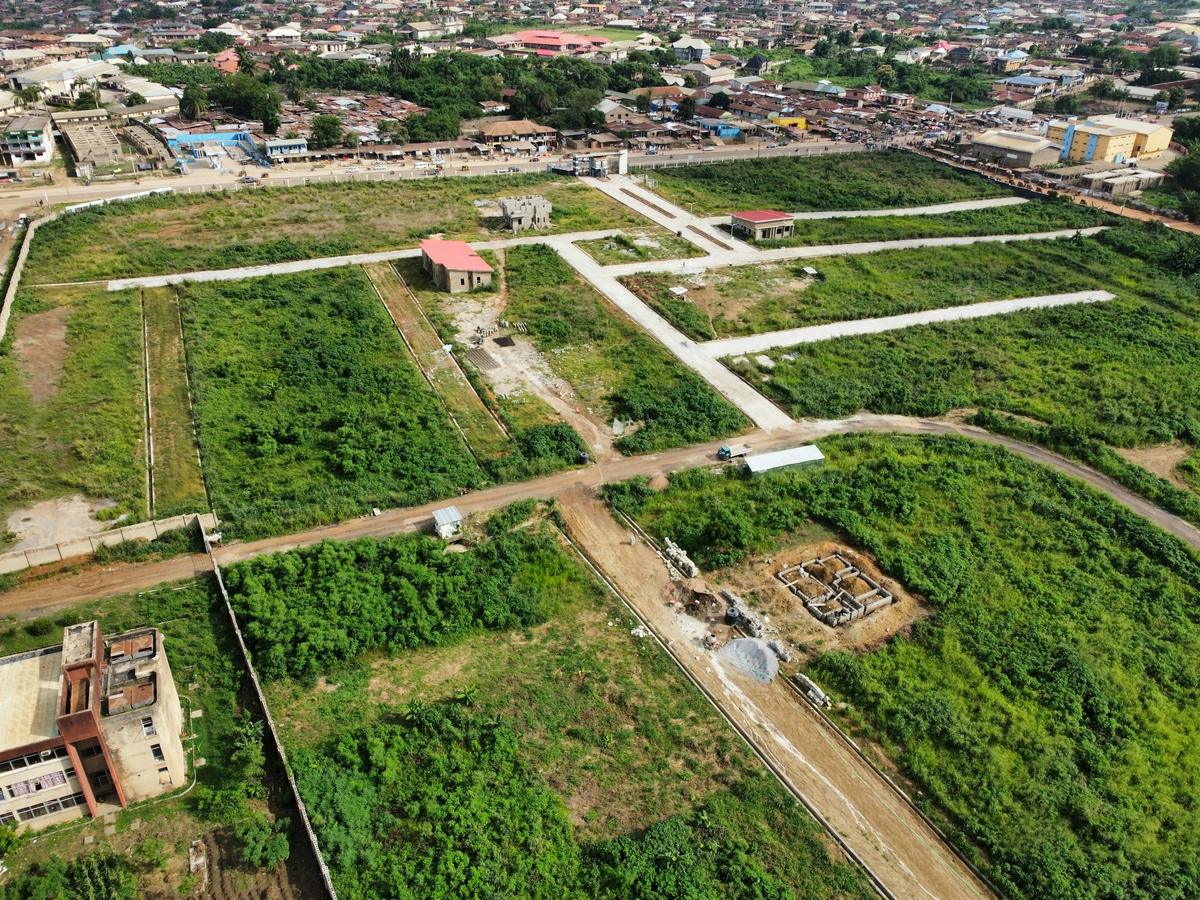
Buyers and tenants pay for location, and in Abuja location is closely tied to infrastructure: road access, distance to employment centres, power supply, water and drainage. Developments in areas where public infrastructure is still arriving often need the developer to provide more, such as internal roads, drainage, boreholes and power arrangements, all of which must be priced into the scheme.
3. Planning and approvals
Layouts and building plans must be approved by the relevant FCT authorities before construction. Approval requirements shape density, plot coverage, setbacks and building heights, which in turn determine how many units you can build and what they will cost. Build approval time into your programme and cash-flow plan.
4. The right product for the market
What will buyers or tenants in that location actually want, and at what price? Consider unit types and sizes, finish levels, parking, security, shared facilities and service charges. A beautiful product that is mispriced for its location will sell slowly. Speak to agents active in the area and study what is selling, not just what is listed.
5. Infrastructure before units
Experienced developers build core infrastructure early: perimeter fencing, gatehouse, main roads and drainage. It protects completed homes from construction traffic and flooding, improves site logistics and gives buyers confidence. Our estate and housing development service plans infrastructure and housing together.
6. Phasing and cash flow
Most developments are phased so that early sales help fund later phases. A realistic phasing plan aligns construction with expected sales, keeps completed areas attractive while later phases are built, and avoids having too much capital tied up in unsold stock.
7. Cost planning and contingency
A development budget includes land, professional fees, approvals, infrastructure, construction, marketing, finance costs and contingency. Construction costs in Nigeria are sensitive to material price movements, so build in a contingency and review costs regularly. A construction partner involved early can help with buildability and value engineering.
8. Quality and consistency
Buyers notice inconsistency between units. Standard construction details, consistent specifications and unit-by-unit inspections protect your reputation and reduce defects after handover. See our quality control guide.
9. Legal structure and sales documentation
Agree the legal structure for land partnerships, joint ventures and sales with qualified lawyers. Buyers will expect clear documentation, and well-prepared paperwork shortens sales cycles.
10. Risk review
Before committing, list the major risks (title, approvals, cost escalation, slow sales, infrastructure delays) and decide how each will be managed. A development that can survive its realistic risks is a development worth building.
GBAAC supports land owners and developers with real estate development and advisory, infrastructure and construction. Contact us to discuss your land or development idea.
This article provides general guidance only. Regulations, procedures and prices change; confirm current requirements with the relevant authorities and qualified professionals before acting.