
Common Mistakes When Renovating a House
Renovation should leave you with a better, more valuable home. When it goes wrong, the cause is rarely bad luck. It is usually one of a small number of avoidable mistakes. Knowing them in advance is the best protection.
1. Skipping the condition survey
Starting with finishes before understanding the building is the most common and most expensive mistake. New tiles over a leaking slab, fresh paint over damp walls, or a new kitchen on failing wiring all have to be undone later. Begin with a condition survey that looks at structure, roof, damp, drainage and services.
2. Starting without a clear scope
"Let's start and see" leads to endless additions, a moving budget and disputes about what was agreed. Write down what will be done, room by room, and agree it with your contractor before work begins. Changes are fine, but each should be priced and approved in writing.
3. Prioritising cosmetics over defects
It is tempting to spend on visible improvements and postpone roofs, waterproofing and wiring. But defects get worse and more expensive with time, and they can damage the new finishes you have just paid for. Fix the building first, then beautify it.
4. Neglecting waterproofing and drainage
Water is the enemy of every building. Bathrooms, balconies, flat roofs, parapets and external ground levels all need proper waterproofing and falls. In Abuja's heavy rainy season, poor detailing shows up quickly as stains, mould and blistered paint. Insist that waterproofing is inspected before it is covered.
5. Removing walls without engineering advice
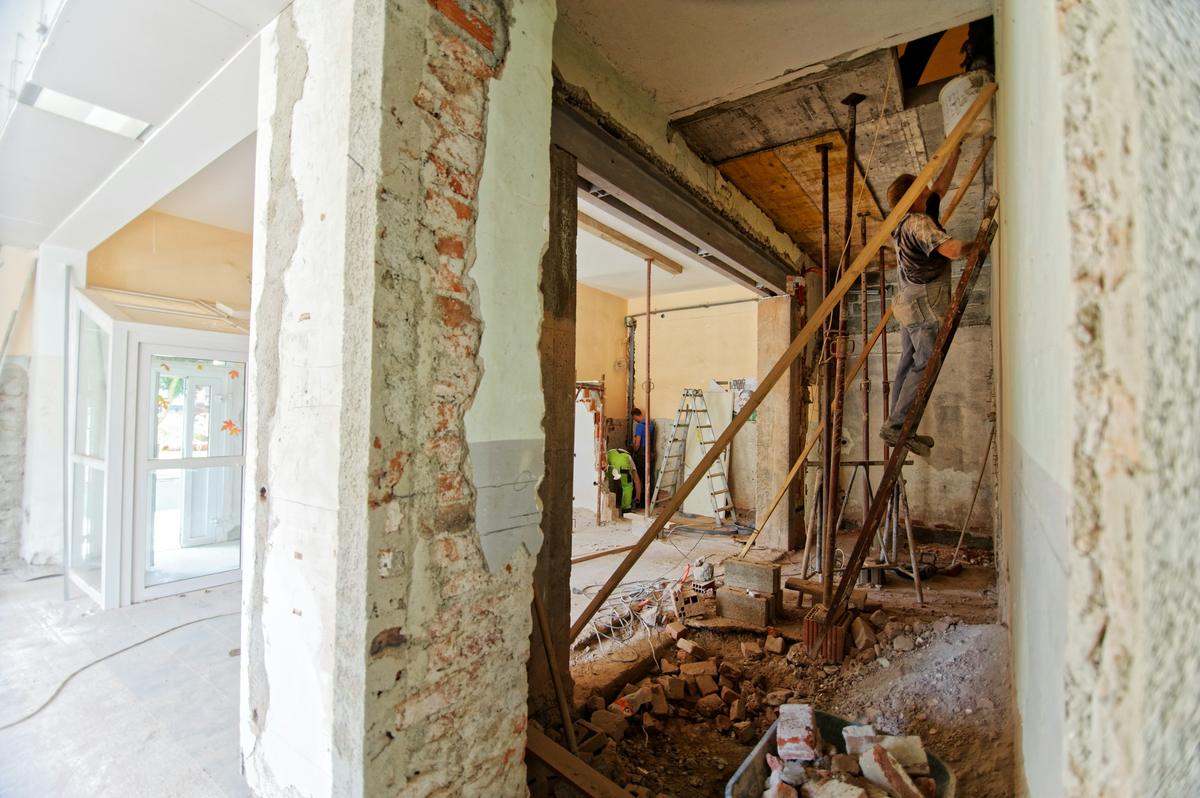
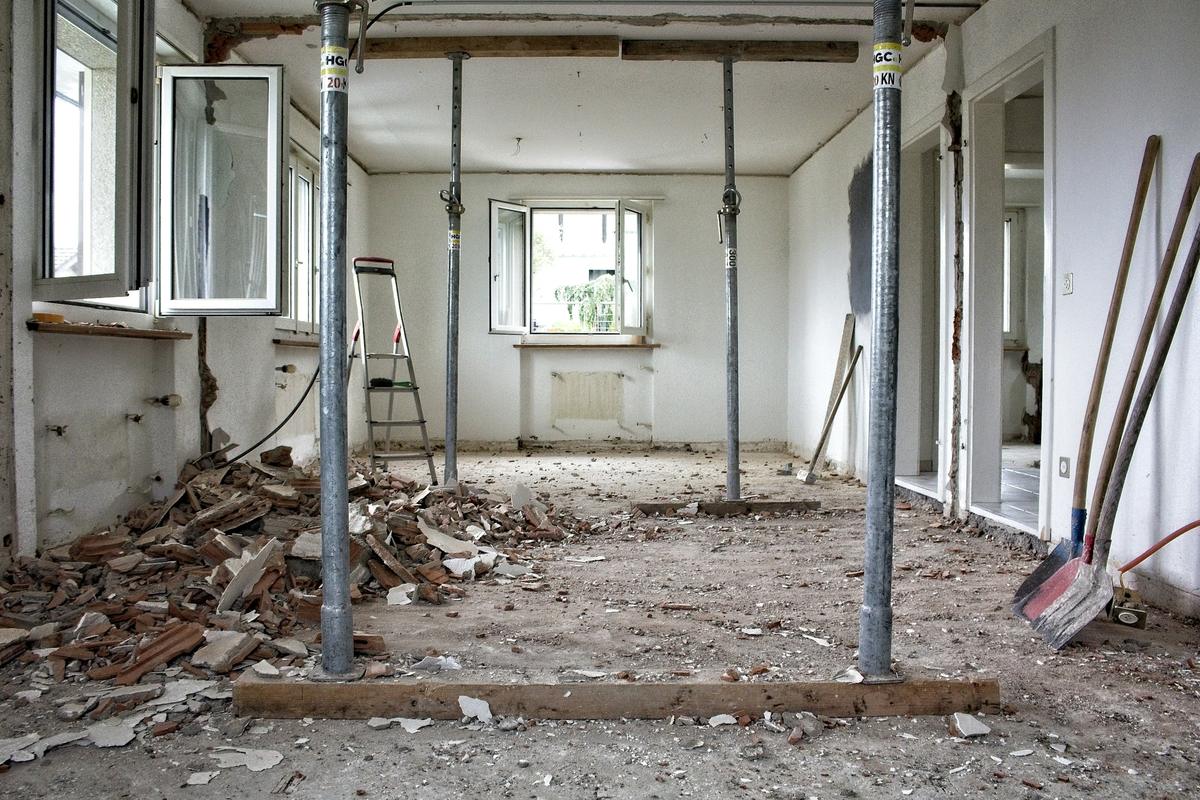
Not every wall is just a partition. Removing or cutting openings in load-bearing walls without a structural engineer's design can cause cracking or worse. Any alteration that affects structure needs professional design and may need approval.
6. Unqualified electrical and plumbing work
Electrical faults are a serious fire risk. Rewiring, distribution boards, earthing and connections for inverters and solar systems should be designed and installed by qualified electricians. The same applies to plumbing, pumps and water treatment.
7. Choosing a contractor on price alone
A low quotation often means something is missing or will be done to a lower standard. Compare quotations on scope, specification and exclusions, not just the total. Our guide to assessing quotations explains how.
8. Paying too much upfront
Large upfront payments leave you with little leverage if work stalls. Link payments to completed, inspected stages instead.
9. No contingency
Hidden problems are normal in renovation. Without a contingency, an unforeseen repair can halt the project. Plan for it from the start.
10. Poor sequencing
Doing work in the wrong order wastes money: painting before electrical chasing is finished, tiling before plumbing is tested, or installing a kitchen before the ceiling is complete. A good contractor plans the sequence so that finished work is not damaged by following trades.
11. Not documenting the work
Photographs of what is behind walls and under floors, such as pipe routes, cable runs and waterproofing, are invaluable for future maintenance. Ask your contractor to record concealed work before it is covered.
Renovate with confidence
Every one of these mistakes can be avoided with a survey, a written scope, qualified trades, a sensible payment structure and a contractor who communicates. That is how GBAAC approaches every building renovation. Explore our interior and exterior design service too, or request a renovation quotation.
This article provides general guidance only. Regulations, procedures and prices change; confirm current requirements with the relevant authorities and qualified professionals before acting.