
Building Renovation vs New Construction: Which Is Right?
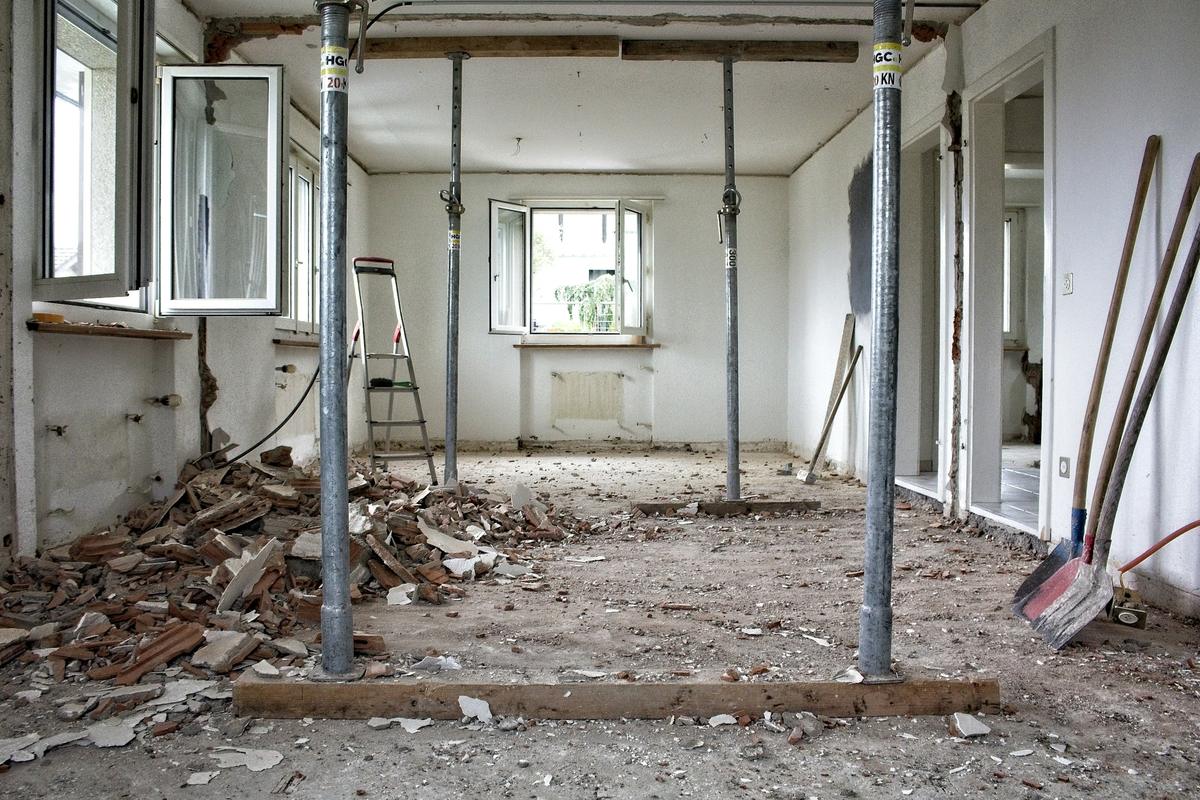
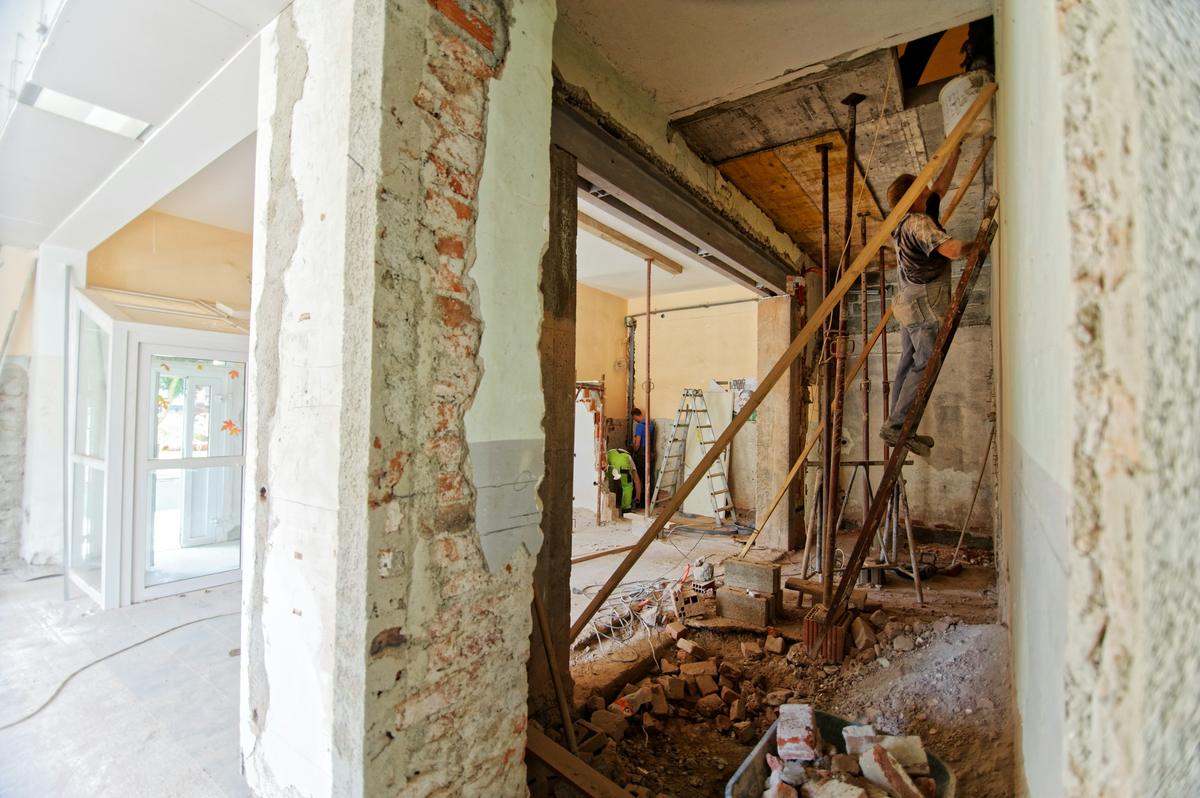
Owners of older properties often reach a crossroads: invest in renovating the building they have, or demolish and build new. Both paths can be right. The wrong choice usually comes from deciding on instinct rather than evidence, either pouring money into a building that cannot deliver what is needed, or demolishing a sound structure that could have been transformed for far less.
Here is how to weigh the decision.
1. Start with the structure
The structural condition of the building is the deciding factor more often than any other. A structural assessment by a qualified engineer should answer:
- Are the foundations performing, or is there evidence of settlement?
- Is the concrete frame (columns, beams, slabs) sound, or is there cracking, spalling or exposed reinforcement?
- Can the structure safely carry what you want to add, such as an extra floor, heavier finishes or water tanks?
If the structure is sound, renovation is usually viable. If it is seriously compromised, the cost of repairs can approach or exceed the cost of rebuilding, and rebuilding may be the safer option.
2. Does the layout work?
Some buildings are structurally fine but arranged in a way that no longer suits how you live or work. Internal walls can often be moved, but the position of columns, staircases and wet areas limits what is practical. If achieving the layout you need would require changing most of the structure, building new may produce a better result.
3. Compare the true costs
Renovation is not automatically cheaper. A fair comparison includes:
| Renovation | New construction |
|---|---|
| Condition survey and engineering | Demolition and site clearance |
| Strip-out and repair of defects | New design and approval |
| Provisional sums for hidden conditions | Soil investigation and new foundations |
| Services upgrades within an existing building | Full new structure, envelope and services |
| New finishes | New finishes |
Our article on renovation budgeting factors explains the renovation side in depth.
4. Time and disruption
Renovation can often be phased, allowing you to keep living in or using part of the building. New construction usually requires vacating the site entirely, and the programme includes design, approval, demolition and full construction. If continuity matters, renovation has a clear advantage.
5. Approvals
Internal renovation generally requires less approval than a new building. A new building, or a major extension or structural alteration, will need approval from the relevant development control authority, which adds time to the programme. Factor this into your decision, especially if timing is critical.
6. Long-term value
Consider what the property will be worth, and how much it will cost to maintain, after each option. A well-renovated older building on an established plot can be very attractive. A new building can deliver modern performance, layouts and lower maintenance. Neither is universally better.
A practical decision path
- Commission a condition survey and structural assessment.
- Write down the layout and performance you need.
- Ask for an outline cost for both options on a comparable basis.
- Compare programme, disruption and approval requirements.
- Decide based on evidence, not on how the building looks today.
GBAAC undertakes both building renovation and new construction, so we have no reason to steer you towards one or the other. Ask us for an assessment.
This article provides general guidance only. Regulations, procedures and prices change; confirm current requirements with the relevant authorities and qualified professionals before acting.